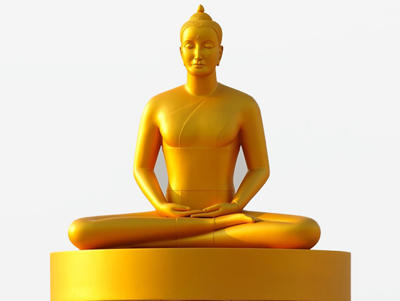
It was due to the great compassion of the Lord Buddha that he deigned to teach Noble Discipline, not only for monks, but for householders too, in the form of Noble Self-Discipline for Householders [gihivinaya], as a guideline for achieving happiness in life and developing society.
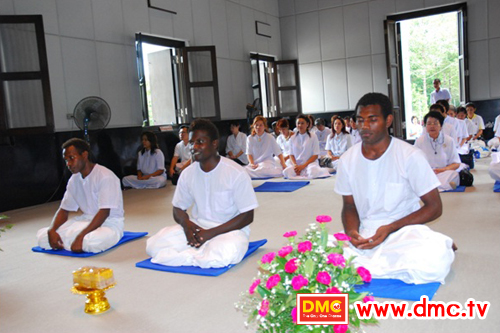
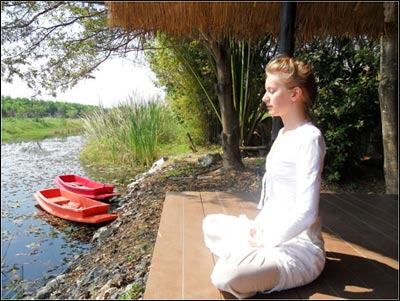
The first time when I began the Dhammakaya Meditation method : I was sitting on the floor on a 10cm high and round meditation cushion in the half lotus position or kneeling with my lower legs turned back.
People may have external differences, but their innermost self is the same. It is the similarities that transcend their differences.
Knowledge that we discover through the attainment of the Dhammakaya makes us happier and become more well – adjusted individuals.
Doing good deeds has its own rewards. On the other hand, doing bad deeds has its own punishments.
Why do some people not take responsibility for themselves? “Nobody taught me” is just a bad excuse. People always have opportunities and choices. How we respond to things depends on how we perceive them. There are many good and bad things in this world.
From the first moment of life to the last, humans have a natural need for love. We feel satisfied when we are loved,
Good day ladies and gentlemen. I’m so proud to present the topic “ Our mind can change the world ” to you today. Let’s see how our mind relates to the world.
Dried sandal wood is still fragrant, squeezed sugar cane is still sweet, refined salt is still salty, but a wise man, even in crisis, still practices Dhamma
The beginning training lesson described already is meditation practice. This is the path for building peace in human society.